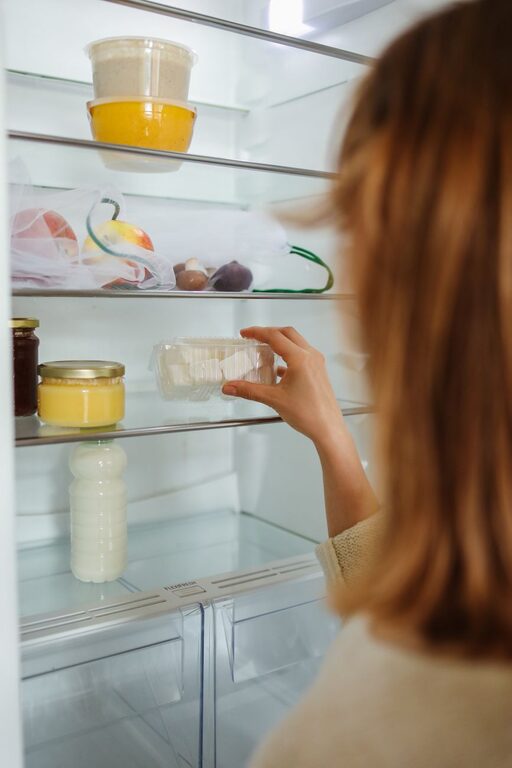
Keeping a tidy fridge and pantry can make a big difference in how your kitchen functions. Not only does an organized space help you find ingredients quickly, but it also reduces food waste and keeps your food fresh longer. In this post, we’ll cover helpful strategies to maintain a clean, efficient fridge and pantry that supports your daily cooking and eating habits.
Why Organize Your Fridge and Pantry?
Before diving into the how-to, it’s helpful to understand the benefits of organizing these crucial kitchen areas:
– Saves time: Easily locate ingredients without digging through clutter.
– Reduces food waste: Prevent expired or forgotten food from piling up.
– Improves food safety: Proper storage helps maintain freshness and prevent spoilage.
– Creates more space: Maximize storage by avoiding duplicates and unnecessary purchases.
– Makes meal prep easier: Access everything you need quickly, leading to smoother cooking.
Getting Started: Preparing to Organize
Before organizing, set aside some time and gather supplies:
– Cleaning supplies (mild cleaner, cloths, gloves)
– Storage containers (clear bins, airtight containers, labels)
– Trash bin or compost container
– Shelf liners (optional)
Empty the fridge and pantry completely, so you can start fresh. This makes it easier to clean and assess what you have.
Step 1: Clean Thoroughly
Fridge Cleaning Tips
- Remove all shelves and drawers, if possible, and wash them with warm, soapy water.
- Wipe down all surfaces inside the fridge with a mild cleaning solution.
- Check and clean door seals to ensure they close properly.
- Dry all surfaces completely before putting items back.
- Take everything out and discard expired or damaged items.
- Wipe down shelves and walls with a damp cloth.
- Consider using shelf liners for easy cleaning and added protection.
- Let the pantry air out for a few minutes if it feels damp or musty.
Pantry Cleaning Tips
Step 2: Sort and Categorize Your Items
Sort your food items into categories, such as:
– Dairy and eggs
– Fruits
– Vegetables
– Meats and proteins
– Condiments and sauces
– Baking ingredients
– Snacks
– Drinks
– Canned goods
Grouping similar items helps you see what you have and makes it easier to locate items later.
Step 3: Use the Right Storage Solutions
For the Fridge
– Clear containers: Use transparent bins to group similar items together, such as cheese or deli meats.
– Airtight containers: Store leftovers or chopped produce to keep them fresh longer.
– Stackable containers: Maximize vertical space.
– Egg trays: Keep eggs organized and protected.
– Labeling: Use labels with dates to track when you opened or cooked food.
For the Pantry
– Uniform containers: Use matching, airtight containers to store dry goods like pasta, rice, and flour.
– Tiered shelves or risers: These help make the most of vertical space.
– Lazy susans: Great for spices, condiments, or smaller bottles.
– Labels: Clearly label everything for quick identification.
– Baskets or bins: Use to group snacks, packets, or small items.
Step 4: Arrange Items Strategically
Organizing Your Fridge
– Top shelves: Store ready-to-eat foods like leftovers, drinks, and ready meals.
– Middle shelves: Keep dairy products like milk, yogurt, and cheese.
– Lower shelves: Use for raw meat, poultry, and fish – store these on a tray to catch drips.
– Drawers: Use one for fruits and another for vegetables; adjust humidity settings if your fridge allows.
– Door compartments: Store condiments, juices, and butter – avoid storing milk here as temperatures fluctuate.
Organizing Your Pantry
– Place frequently used items at eye level or front of shelves.
– Store heavy items like flour or large containers on lower shelves.
– Group baking supplies in one section and snacks in another.
– Keep similar containers and packages together so you can easily grab what you need.
Step 5: Maintain Your System
Keeping your fridge and pantry tidy is an ongoing process. Here are some maintenance tips:
– Do a quick check weekly: Remove expired items and wipe up spills.
– Clean spills immediately to avoid sticky messes.
– Rotate food by moving older items to the front to use them first.
– Reassess your storage every few months to adjust based on what you actually need.
– Keep a grocery list handy to avoid overbuying.
Bonus Tips for a Tidy Kitchen
– Use clear storage containers so contents are visible without opening.
– Avoid overcrowding; leave space between items for air circulation.
– Store like items together to create zones, making it easier to find items and put things away.
– Encourage family members to follow the system by labeling shelves and containers.
Conclusion
A tidy fridge and pantry can simplify your kitchen experience. By cleaning regularly, sorting items, using smart storage solutions, and maintaining the organization, you can save time, reduce waste, and enjoy cooking more. Start small, stay consistent, and soon your kitchen will feel more inviting and efficient.
Remember, organized spaces make happy kitchens!