
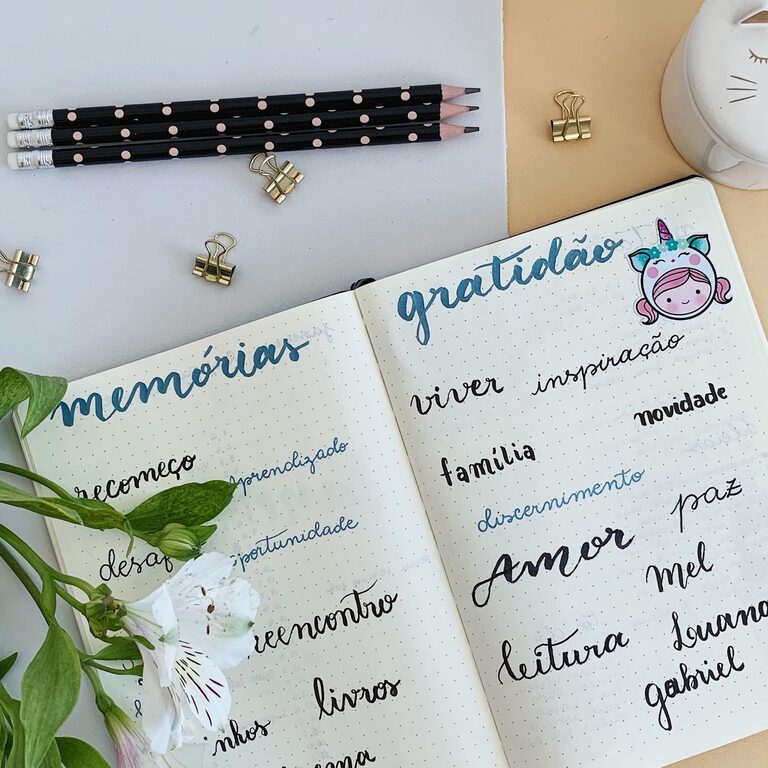
Gratitude journaling is a powerful yet simple practice that can help improve your mental well-being, increase positivity, and encourage a more mindful outlook on life. If you’re new to the idea or unsure where to start, this guide will walk you through the basics of setting up and maintaining a gratitude journal. By the end, you’ll be equipped to make gratitude journaling a rewarding part of your daily routine.
What Is a Gratitude Journal?
A gratitude journal is a personal diary where you regularly record things, people, or experiences you feel thankful for. The purpose of this practice is to shift your focus from what’s missing or challenging in your life to the abundance and good things you have. Over time, this can help foster a more optimistic and content mindset.
Benefits of Keeping a Gratitude Journal
Before diving in, it helps to understand why this practice is worth your time:
– Improves mood: Writing about positive experiences can reduce stress and increase feelings of happiness.
– Enhances mindfulness: Focusing on “what’s good” encourages living in the moment.
– Builds resilience: Gratitude can help you cope better with setbacks by balancing perspective.
– Strengthens relationships: Recognizing people you appreciate deepens connections.
– Promotes better sleep: Reflecting on positive moments before bed may improve sleep quality.
Choosing Your Gratitude Journal Format
The first step is deciding how you want to keep your journal. There are several options to consider:
– Physical notebook: Many enjoy writing by hand in a dedicated notebook or diary. It offers a tactile, personal feel and can be stored safely.
– Digital journal: Apps, word processors, or note-taking tools on your phone or computer offer convenience and easy editing.
– Printable templates: You can find or create gratitude journal pages that guide your entries.
Choose the format that feels most comfortable and accessible to you so that you are more likely to keep up the habit.
Setting Up Your Gratitude Journal
Follow these simple steps to get started:
1. Pick a Time
Decide when you will write in your journal. Many people prefer:
– Morning: To start the day with a positive mindset.
– Evening: To reflect on the day’s good moments before sleeping.
Choose a consistent time to help build a routine.
2. Create a Comfortable Space
Find a quiet, comfortable spot where you can write without distractions. This might be a cozy chair, a corner of your desk, or even a favorite café.
3. Start Small
Begin by writing just three to five things you are grateful for each day. They can be big or small, such as:
– A kind word from a friend
– A sunny day
– Delicious food
– A moment of peace
4. Be Specific
Detail helps you connect deeply with your gratitude. Instead of writing “I’m grateful for my friends,” try “I’m grateful for the supportive phone call I had with my friend Sarah today.”
5. Reflect on Why
Sometimes, note why you appreciate what you’re listing. This encourages deeper thought and emotional engagement.
Tips to Keep Your Gratitude Journal Going
Consistency can be challenging at first, so here are some helpful strategies:
– Use reminders: Set an alarm or sticky note to prompt journaling time.
– Keep your journal visible: Place it somewhere you’ll see regularly.
– Make it enjoyable: Pair journaling with a cup of tea or calming music.
– Don’t stress about perfection: Your journal is for you, so mistakes or short entries are okay.
– Mix it up: Occasionally write gratitude letters, draw pictures, or add quotes.
– Review past entries: Reflecting on previous notes can reinforce positive feelings.
Ideas for What to Include in Your Gratitude Journal
To keep your journal fresh, try some of these prompts:
– What’s something you saw today that made you smile?
– Name one person who made your day better and why.
– Describe a small success or achievement you’re proud of.
– Recall a sensory experience you enjoyed (taste, smell, sound, etc.).
– Write about an obstacle you overcame recently and what you learned.
– List things in nature that you find beautiful or peaceful.
When Gratitude Feels Difficult
Some days it might be hard to find things to be grateful for, especially during tough times. Remember:
– Start with simple things, like breathing or a roof over your head.
– Acknowledge your feelings honestly, then gently look for something positive.
– Try gratitude even for challenges — think about what they help you learn or appreciate.
– Being patient with yourself is part of the process.
Wrapping Up
Starting a gratitude journal is a small but meaningful step toward a more positive and mindful life. With regular practice, you can train your mind to notice and appreciate daily blessings, big and small. Remember to keep it simple, enjoyable, and personal. Whether you write once a day or a few times a week, the key is to make gratitude a habit that fits your lifestyle.
Why not start today? Grab a notebook or open an app and jot down three things you’re grateful for right now. It’s a wonderful way to brighten your day and nurture your well-being. Happy journaling!